

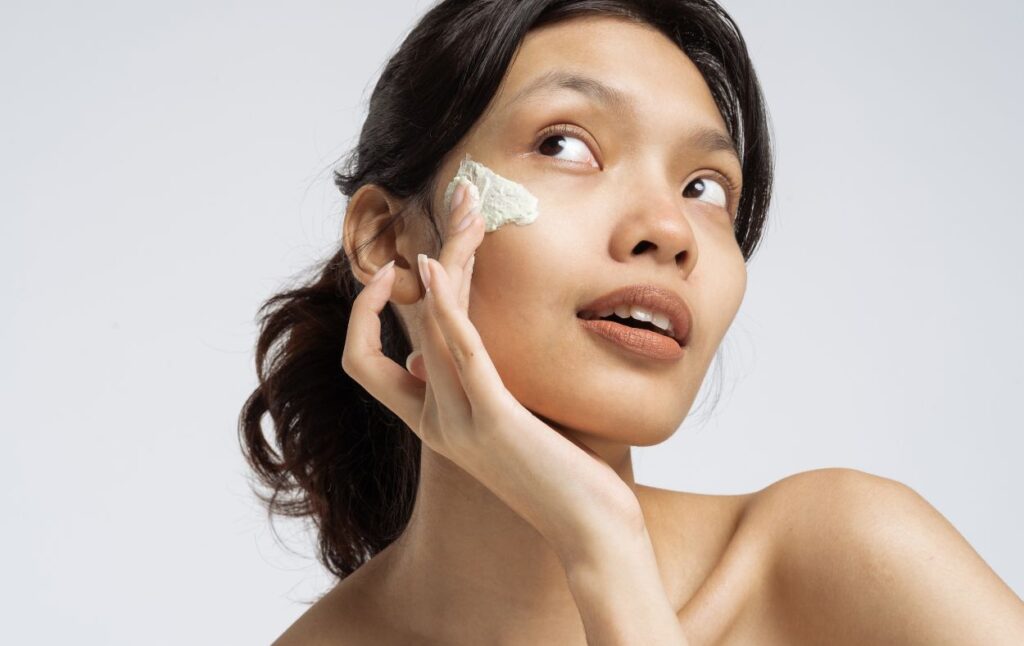
If you have been around here long enough, you know I am picky about what I put on my skin. My non-toxic journey started because my struggle to get pregnant and stay pregnant made me look much harder at everyday products. Once I saw what was hiding in many beauty products, I could not unsee it.
That is why RINGANA caught my attention. RINGANA is an Austrian brand known for fresh cosmetics, and it officially launched in the United States on October 1, 2026. Before the launch, I dug into the company, the ingredient lists, and the products themselves.
What I found impressed me. RINGANA avoids many ingredients I try to keep out of my body, but it also uses real skin-supporting actives at amounts that actually matter. After researching the brand and trying the products, I decided to become a RINGANA founding partner.
Product orders open in the U.S. on November 2, 2026, but you can create a customer or partner account now. Below is everything I learned, plus the products I tried and loved, so you can decide if RINGANA is a good fit for you.
Be sure to sign up for my Clean Beauty Newsletter so you don’t miss any news on Ringana or other brands I’ve loved for a long time, like Counter, Crunchi, and Pure Haven.
Table of Contents
RINGANA at a Glance: My Quick Take
- What it is: RINGANA is an Austrian fresh skincare and supplement company founded in 1996.
- Why I looked into it: I wanted clean skincare with both strong ingredient standards and real performance.
- What I like: fresh formulas, many COSMOS-certified products, vegan ingredients, meaningful actives, and transparent percentages for key ingredients.
- What to know: fresh products have real expiration dates, so they are meant to be used within the freshness window.
- Pregnancy note: I would skip FRESH overnight treatment during pregnancy because it contains 0.18% retinal. Some people may be comfortable with this amount of retinal in pregnancy, but I am not.
Who Makes RINGANA? (Two Parents, 30 Years in Europe)
This part got me as a mom. In 1996, Andreas Wilfinger and Ulla Wannemacher looked at the ingredients in their young son’s toothpaste and did not like what they saw. So they made their own. That decision turned into RINGANA.
Thirty years later, the family still runs the business. RINGANA develops and makes its products on its own campus in St. Johann in der Haide, Austria. The campus uses geothermal and solar power, and the company publishes transparency and impact reports so you can see the numbers for yourself.
RINGANA now has more than 70 products, sold through independent partners and online across Europe, Latin America, Asia, and now the United States. The full lineup includes face and body care, hair care, supplements, meal-replacement drinks, sports nutrition, and baby products. Not every product is part of the initial U.S. launch, but the full brand range extends far beyond skincare.
What “Fresh” Means for RINGANA Skincare
Most skincare is made to last about three years on a store shelf. That long shelf life changes what can go inside. Delicate plant ingredients do not always hold up for years, so brands often leave them out or use them in tiny amounts.
RINGANA flips this. It makes products in small batches and gives them real expiration dates, more like food. Because the products are not designed to sit on a shelf for years, the formulas can use fresher plant ingredients, ferments, and other ingredients that are harder to preserve long-term.
Think of fresh strawberries next to a jar of strawberry jam. The jam keeps longer, but it is not the same as eating fresh berries. RINGANA chose the fresh-berries route.

Why COSMOS Certification Matters
Another reason RINGANA stood out to me is COSMOS certification. Many RINGANA products are certified through Ecocert Greenlife, an independent certifier for the COSMOS standard.
COSMOS is not just a pretty seal on a bottle. It is a European natural and organic cosmetic standard that considers the whole product, including ingredient origin, how raw materials are processed, which ingredients are allowed, packaging, and environmental responsibility.
You may see two labels. COSMOS ORGANIC means the product meets the natural standard and includes a required amount of organic ingredients. COSMOS NATURAL means the product meets the natural cosmetic standard, but not the organic percentage requirement.
I like that distinction because it gives you more information than the word clean ever could. It also makes the brand easier to check, which matters when so many beauty brands make clean claims without much proof.
How RINGANA Keeps Fresh Products Safe Without Typical Preservatives
Fresh does not mean careless. I checked the ingredient lists across RINGANA skincare and body care, and I was happy to see the products don’t rely on many of the preservatives and additives I try to avoid.
Instead, RINGANA stacks several small protections:
- Ingredients that do double duty, like glycerin and propanediol, which moisturize and help slow germ growth.
- The right pH, adjusted with ingredients like lactic acid and citric acid, so microbes do not thrive.
- Ferments and plant extracts, such as radish root ferment and rosemary extract, support preservation.
- Antioxidants like vitamin E that help protect delicate plant oils from spoiling.
- Clean production and airless packaging reduce contamination risk from the start.
The final layer is the shorter freshness window. These are products you are meant to use while they are fresh, not forget in a drawer for two years.
Ingredients RINGANA Avoids (and Why I Care)
This is where RINGANA really stood out to me. The brand avoids many ingredients I would rather skip in skincare and personal care products.
They include:
- Propylparaben: A paraben preservative that penetrates skin and has stronger hormone-like activity than methylparaben and ethylparaben.
- Butylparaben: A paraben I especially avoid because it has stronger hormone-like activity and is on the EU Candidate List.
- Benzalkonium chloride: A preservative and antimicrobial ingredient that is a known skin allergen, eye and airway irritant, and environmental concern.
- Butane, propane, and isobutane: Aerosol propellants I would rather skip, mainly because of inhalation and possible contamination concerns.
- Benzisothiazolinone: A preservative I avoid because of its sensitization risk.
- Methylchloroisothiazolinone: A strong skin sensitizer that appears on standard patch-test panels.
- Methylisothiazolinone: A contact allergen that can be especially concerning in leave-on products.
- Sodium laureth sulfate (SLES): Ethoxylated surfactant made with carcinogenic ethylene oxide that can leave traces of carcinogenic 1,4-dioxane.
- Polysorbates and other ethoxylated ingredients: This family includes PEGs, polysorbates, laureths, ceteareths, steareths, oleths, and similar names. They are made through ethoxylation, a process that uses ethylene oxide. The concern is possible contamination with ethylene oxide and 1,4-dioxane, both of which are carcinogenic chemical contaminants.
- Cyclopentasiloxane and other cyclic silicones: Cyclic silicones can persist in the environment for a long time, and Europe is removing several of them from cosmetics.
- Iodopropynyl butylcarbamate (IPBC): A preservative I avoid because of skin penetration and allergen concerns.
- Cocamide DEA and DEA amides: A family I avoid because Cocamide DEA can contain free diethanolamine (DEA). DEA can also react with nitrosating agents to form nitrosamines, a group that includes carcinogenic chemical contaminants.
- Talc and talcum powder: A powder I avoid because talc deposits can occur near asbestos deposits. The contaminant concern is asbestos, a known carcinogen, and you cannot confirm from a label whether a product has been properly tested.
- Butylated hydroxyanisole (BHA): A preservative I avoid because several cancer agencies have flagged it.
- Diazolidinyl urea and other formaldehyde releasers: A preservative family that can release formaldehyde, a known human carcinogen and common allergen.
- Fragrance, parfum, perfume, and aroma: Undisclosed fragrance mixtures can hide allergens and other ingredients you may be trying to avoid.
Ingredients That Are Not Always “Bad,” But RINGANA Still Skips Them
I want to be clear about this part. I do not automatically call every synthetic ingredient harmful. Some synthetic ingredients are low risk, and some people tolerate them just fine.
But I still appreciate that RINGANA avoids several ingredients many clean beauty brands still use, especially when the goal is fresh, natural-leaning skincare.
- Phenoxyethanol: A common broad-spectrum preservative.
- Acrylate polymers: Texture ingredients used to thicken or stabilize formulas. Some are low concern, but I still like seeing simpler texture systems when they work.
- Dimethicone: a linear silicone that doesn’t add any benefits to the skin.
- Synthetic dyes: These add color but usually do not make skincare work better. I prefer formulas that do not need them.
- Aluminum compounds: I do not treat all aluminum ingredients the same, but I appreciate that RINGANA avoids this category in the products I reviewed.
For me, this is the difference between fear and standards. I am not saying every avoided ingredient is poison. I am saying RINGANA meets a higher bar than many brands that market themselves as clean.
Actives That Matter: Retinal, Peptides, and More
A clean label is nice, but I also want products that work. RINGANA lists many of its key ingredient percentages, and the amounts are meaningful:
- Bakuchiol at 3% (encapsulated), a plant-based retinol alternative, and retinal at 0.18%, a well-studied form of vitamin A.
- Niacinamide at 4 to 5% and vitamin C at up to 15%, which line up with amounts used in skincare research.
- Ceramides at 2.5%, from an encapsulated complex plus a seven-ceramide blend, to support the skin barrier.
- Ectoin at up to 2% to help skin hold water and feel calmer, plus hyaluronic acid in several sizes.
- A full range of peptides, which are short chains of amino acids used to support the look of firmer, smoother skin.
- Newer ingredients you do not see often, like Alpine willowherb, special ferments, microbiome complexes, and upcycled apple peel and plankton extracts.
Is Ringana Pregnancy-Safe?
Overall, yes, Ringana is very safe for pregnancy and fertility because it is so careful with ingredients. However, one product deserves a special note: RINGANA FRESH overnight treatment.
I love that RINGANA discloses that it contains 0.18% retinal. Retinal is a vitamin A retinoid, and it is a serious skincare active. That is part of what makes the product interesting for aging skin, and for those of us no longer trying to get pregnant.
However, to err on the side of caution, I would not use RINGANA FRESH overnight treatment during pregnancy because of the retinal. This does not mean topical retinal is proven to cause harm. Topical absorption is usually low. But medical groups generally recommend avoiding topical retinoids during pregnancy because pregnancy safety data are limited, and oral retinoids are known pregnancy risks.
I noticed that several Ringana products have a luscious rose scent. They use flower water and oil of Rosa Damascena in multiple products. Some undiluted essential oils of rose are best avoided in the first 13 weeks of pregnancy out of an abundance of caution. This means that you should not apply undiluted rose oil, or diffuse undiluted rose oil during the first trimester. The amount of rose oil used in these products is extremely diluted and is considered safe. However, if you are anxious, as I was when pregnant, you might consider avoiding essential oils until week 14 of pregnancy.
If you are pregnant, trying to conceive, or breastfeeding, ask your OB-GYN or dermatologist about your personal routine. Personally, I would choose simpler, non-retinoid skincare during pregnancy.
What I Tried and Loved
I have tried several RINGANA products now, and these are the ones that stood out to me most.
FRESH Cream Medium
This was one of the first products that made me understand the fresh skincare concept. FRESH Cream Medium is COSMOS Natural certified and feels like a true daily moisturizer, not just a clean label in a jar.
It uses a 2% encapsulated ceramide complex, natural moisturizing factors, phytoceramides, plant oils, cupuacu butter, and shea butter. In plain English, it supports the skin barrier, softens dry skin, and makes skin feel more comfortable.
I especially like this one for dry and sensitive skin, or for anyone whose skin feels tight after washing.
FRESH Hydro Serum
FRESH Hydro Serum is COSMOS Organic certified and focuses on hydration. It uses six types of hyaluronic acid, 25 hydrating ingredients, peptides, Job’s tears seed ferment filtrate, and beetroot extract.
What I like is that it is not just a basic hyaluronic acid serum. The formula also includes peptides and barrier-supporting ingredients, so it feels more complete.
I would reach for this serum when my skin looks tired, dry, or dull and needs a fresh drink of water.
FRESH Cleanser
FRESH Cleanser is COSMOS Organic certified, and it fits what I want in a face cleanser. It is a creamy cleanser that cleans gently without leaving my skin feeling stripped.
The formula includes green tea extract, a plant complex of sweet clover, jojoba, and ginkgo, plus birch sugar, orange fruit water, chia seed oil, almond kernel oil, and grape seed oil.
I like that it is more than a surfactant blend. It is a cleanser that still thinks about the skin barrier.
FRESH Deodorant
FRESH Deodorant surprised me in a good way. Natural deodorants can be tricky, and I always look closely at how they try to control odor. Ringana is the first natural deodorant I have tried that works as well as Primally Pure for me!
This one is COSMOS Organic certified and uses orange fruit water, sodium bicarbonate, tapioca starch, a zinc complex, shea butter, and plant oils from oat, sesame, and pomegranate seed.
The goal is to neutralize odor, absorb moisture, and care for underarm skin at the same time. I like that it doesn’t try to act like an antiperspirant. It is a deodorant, and it is built like one.
Other Things I Appreciate
Every Product Is Vegan and Cruelty-Free
You will not find beeswax, lanolin, carmine, or other animal-derived ingredients in RINGANA products. RINGANA makes its products in Austria and sells across the European Union, where cosmetic animal testing rules are stricter than in the U.S.
That said, I still care most about the ingredients. Vegan and cruelty-free matter, but they don’t automatically mean a product is safe, gentle, or effective. You still have to read the label.
The Glass Bottles Go Back for Refilling
The packaging is glass, and you can return empty bottles. RINGANA covers the shipping, then cleans, sterilizes, and refills the bottles. The bottles even arrive wrapped in organic cotton towels.
The Supplements Have No Added Flavorings
RINGANA’s supplements and drinks contain no added flavorings, not even natural flavors. The taste comes from real foods like fruit juice concentrates, monk fruit, herbal teas, and sea salt. That is hard to find.
Is RINGANA Legit? Direct Sales and Buying Through a Partner
Yes, RINGANA is a legitimate company. It has been around since 1996, makes its own products in Austria, publishes transparency information, and now sells in the U.S. through independent partners like me.
A jar on a shelf cannot explain why it has an expiration date or what a peptide does. A person can. Partners help you understand what you are using and find swaps for ingredients you would rather skip.
The model also fits a fresh product. Small batches with real expiration dates cannot sit in a retail store for months, so skipping retail helps products reach you sooner after they are made.
The company’s track record helps, too. RINGANA has been around for 30 years, makes its own products, and sells across Europe, Latin America, and the U.S.
RINGANA in the U.S.: Launch Dates and What to Expect
RINGANA launched in the United States on October 1, 2026. Product orders open on November 2, but registration for customer and partner accounts is open now.
The company is also putting down roots here. It is investing $85 million over five years in its first U.S. headquarters, production, and distribution center in Roanoke, Virginia, a project expected to create 435 jobs.
What to Know Before You Buy
Fresh products ask one thing of you. Because they have real expiration dates, buy what you will actually use within the freshness window and store it well.
Stocking up on a year’s supply doesn’t make sense here, so keep that in mind when you plan your budget.
Bottom Line: How to Get Started
RINGANA checks the boxes I care about as a mom trying to stay as non-toxic as possible: clean ingredient standards, actives at real amounts, honest labels, a family-run company that is easy to check, and fresh formulas that feel different from typical shelf-stable skincare.
If you would like to try the products, create a customer account now so you are ready when orders open on November 2. If you would like to share RINGANA with others, you can join as a partner. Either way, signing up in October comes with early perks!
Anna Rapp is a fertility journalist and non-toxic living expert. When Anna Rapp was struggling with infertility and recurrent early miscarriage, she was diagnosed with diminished ovarian reserve, High FSH, low AMH, low follicle count, endometriosis, and an MTHFR mutation. Despite being told donor eggs were her only solution, Anna used her graduate training in research methods and analysis to read everything she could find on fertility and egg health. Ultimately, she lowered her FSH and got pregnant naturally (twice). She blogs about how she did it and encourages her readers to take charge of their fertility journey and get happy, healthy, and pregnant!
Leave a Reply